Case Study
PrizePicks
Building the most exciting, rewarding fantasy sports and prediction markets platform in the country.
Overview
When I arrived at PrizePicks, we had no social features and our rewards system was about as bare bones as it could get.
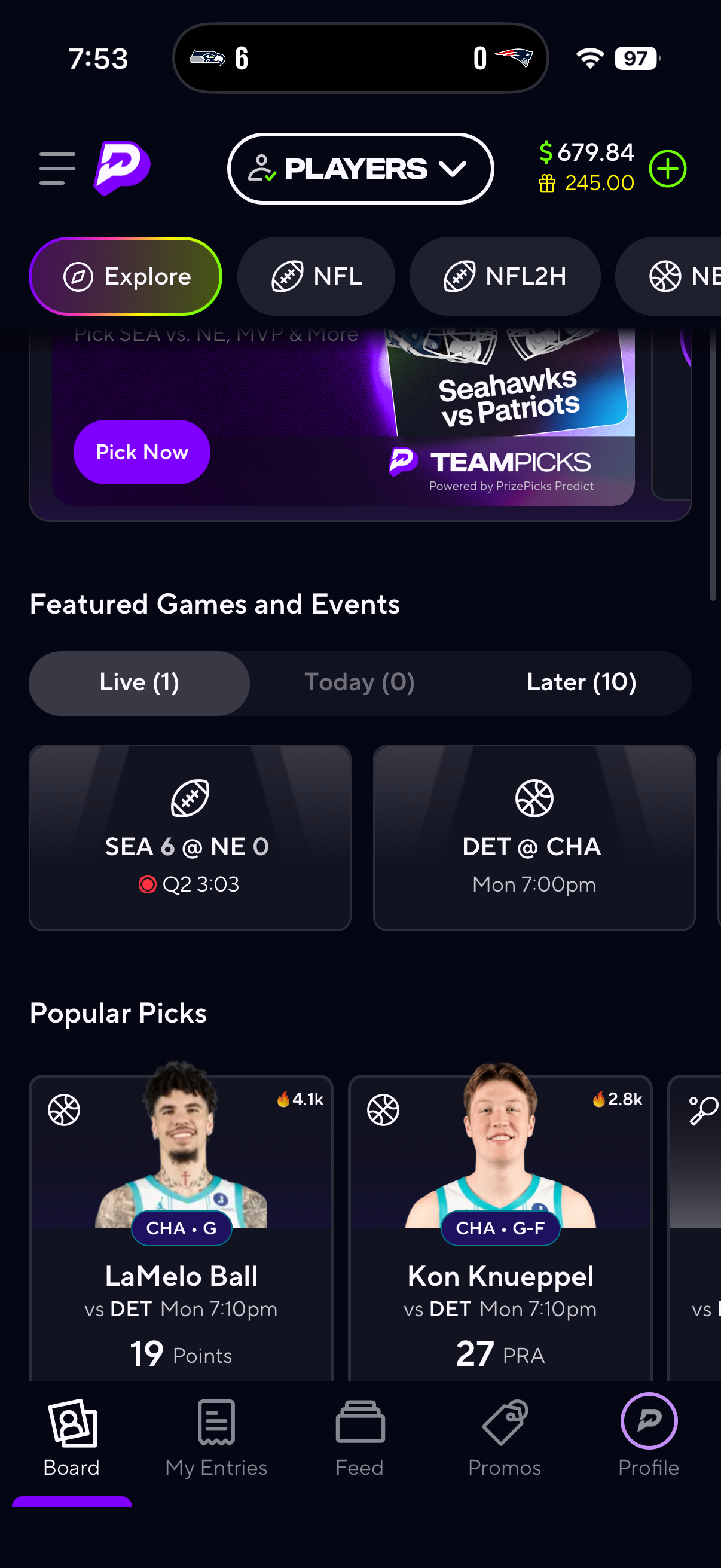
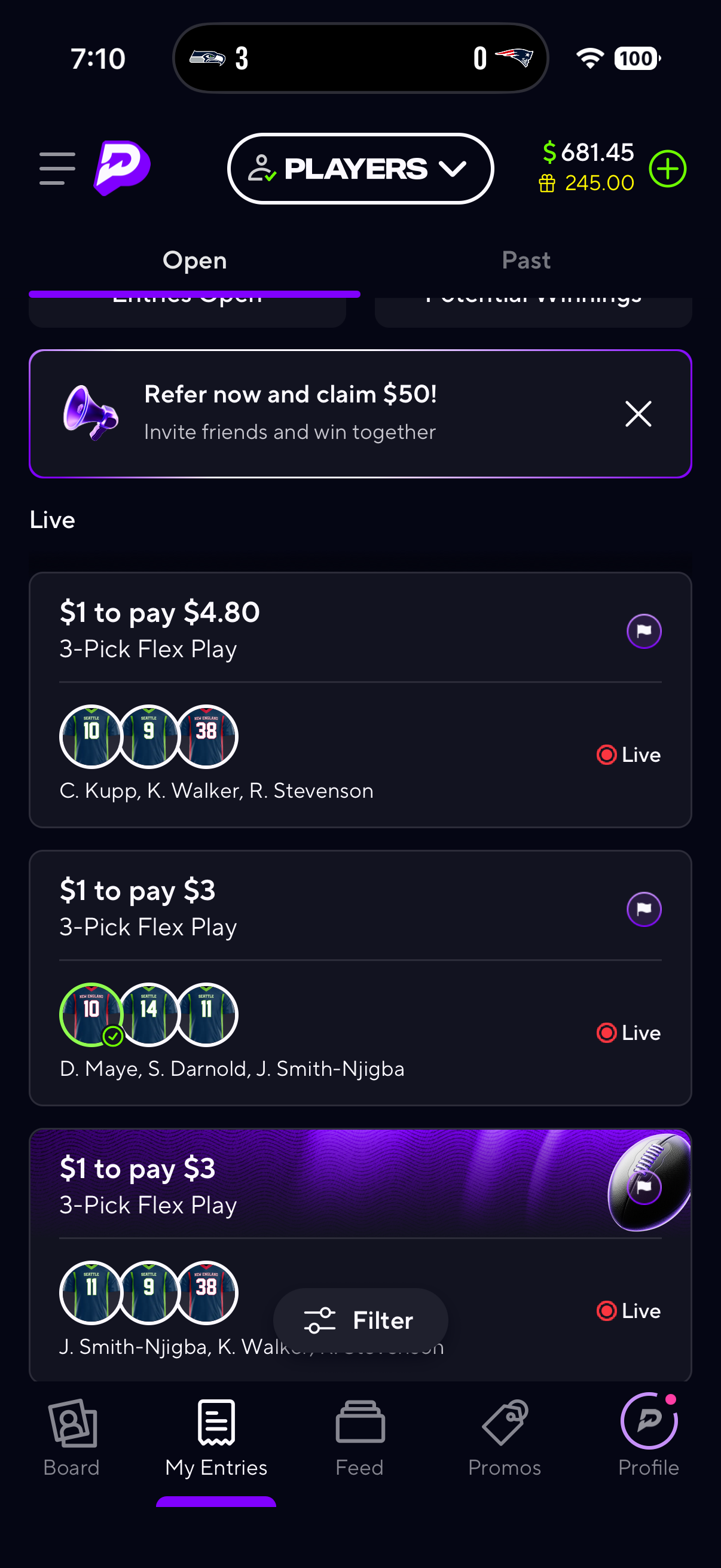
We launched our social feed a few months later to great results. We continue to lean into social and are starting to integrate it across various features. We’ve implemented it on our home and had good results there and good lift, again all incremental. We look to continue to integrate that into other areas and make sure that social is an absolutely vital part of the PrizePicks experience.
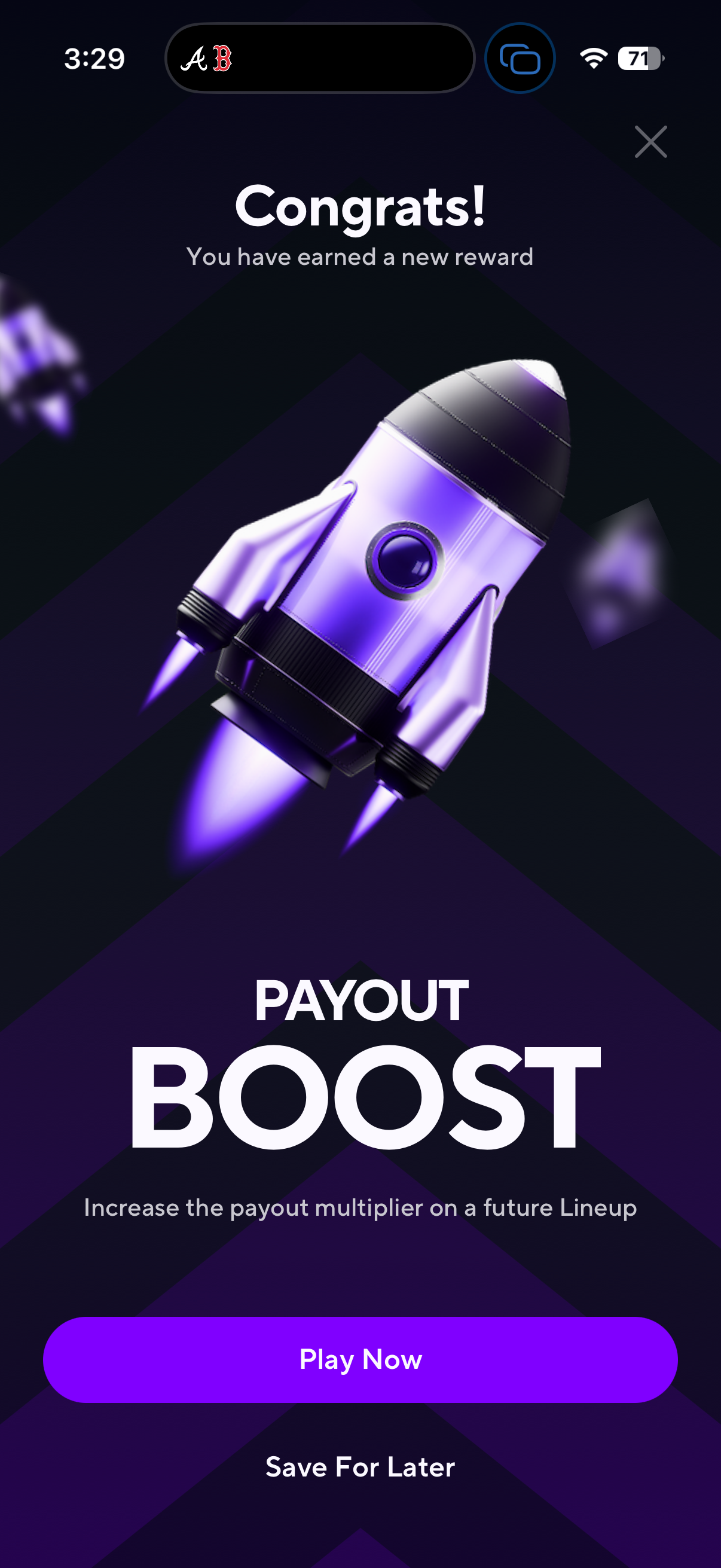
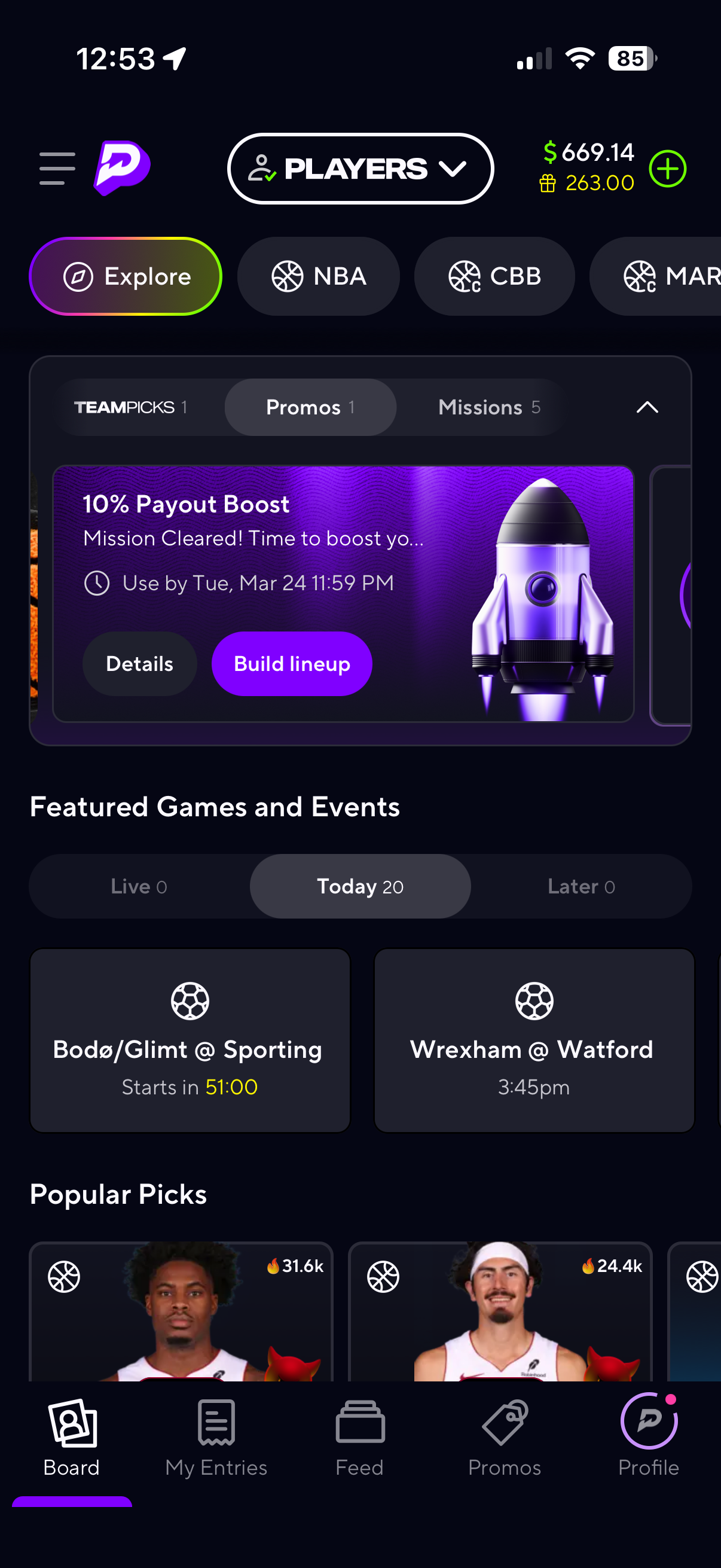
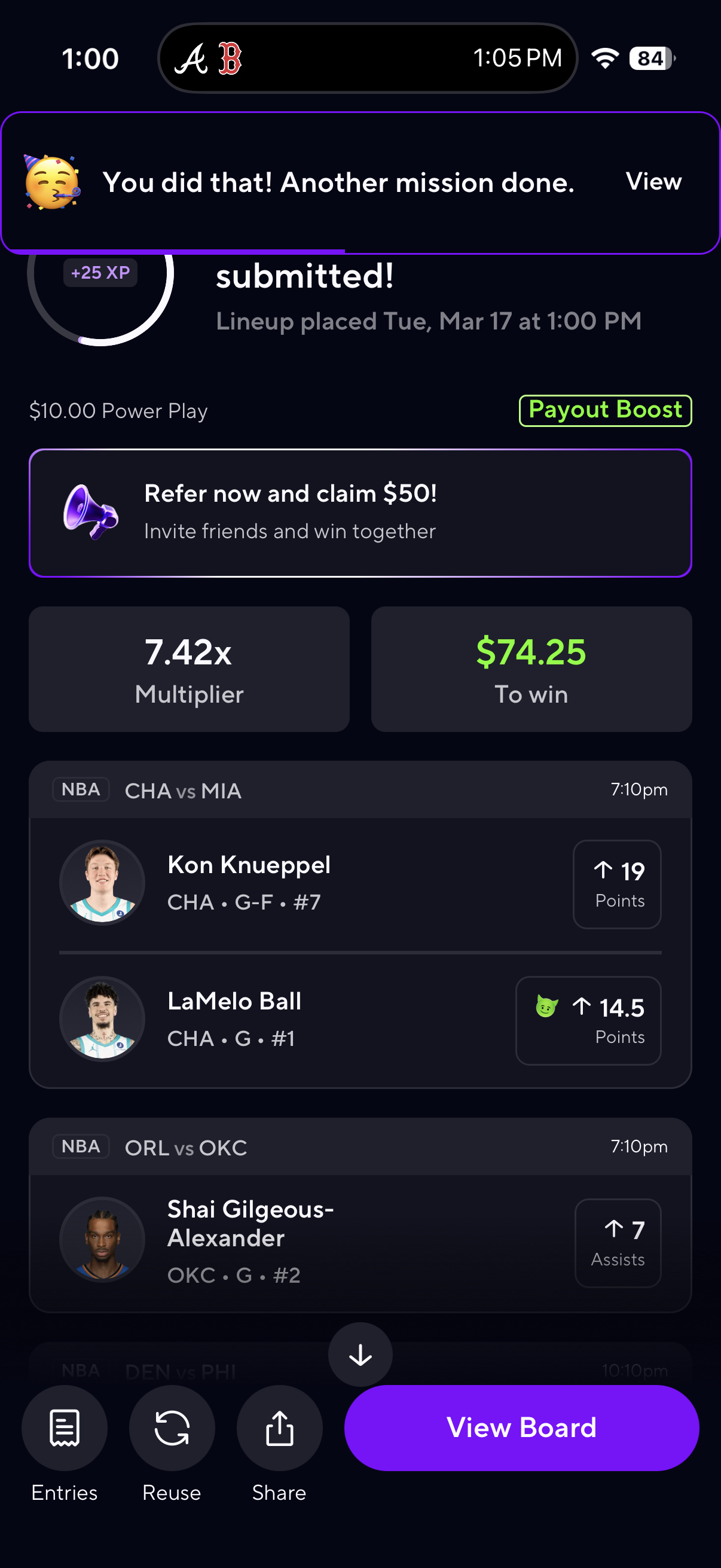
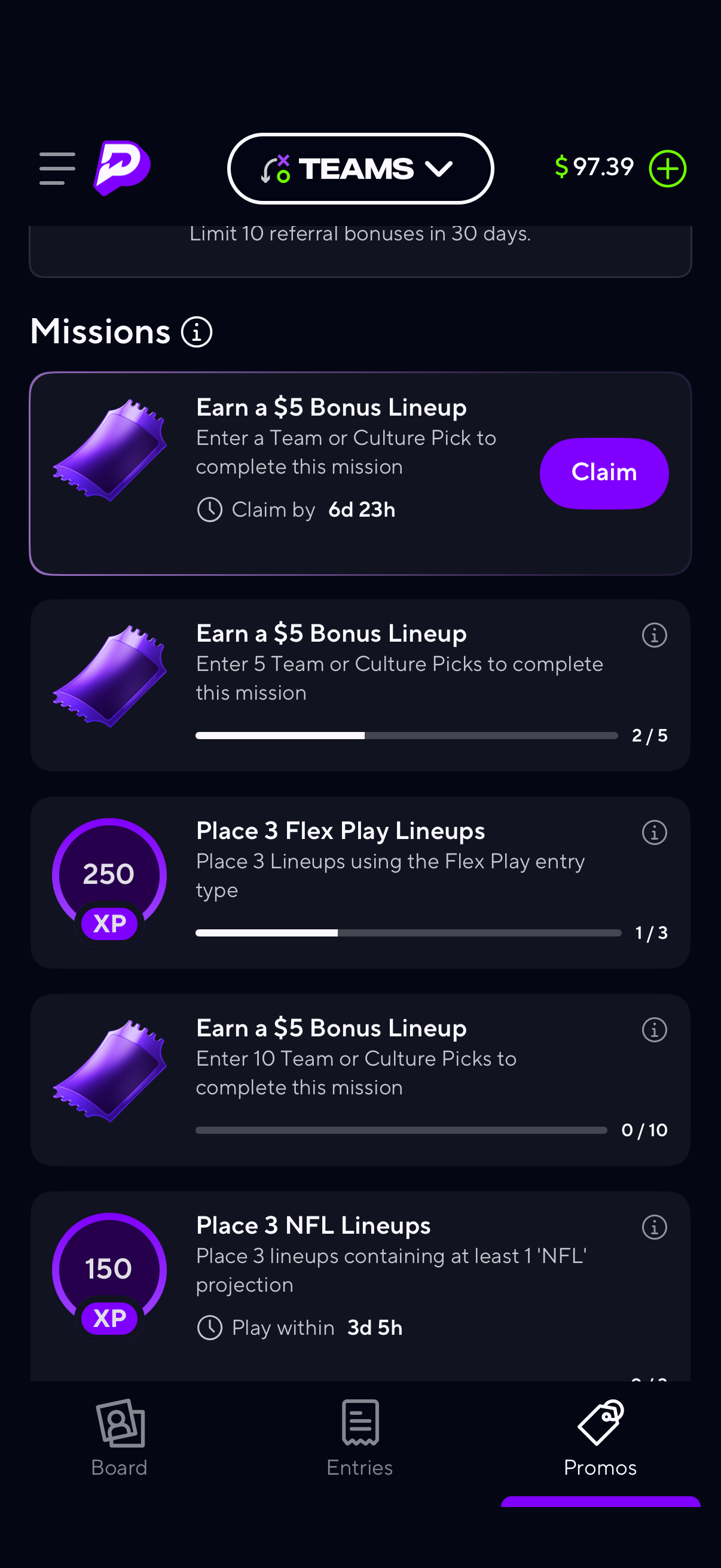
On rewards we have created a lot of efficiencies and gotten our baseline system much better and overall visuals at a higher quality. We have a long-term play to separate ourselves and build a moat around our product in a way that we haven’t seen in the industry before. There are some exciting days ahead in the features that we’ve already started to scope out and build.
Role & Approach
My role was leading the design teams for both of these areas. I had multiple reports and I outlined the strategy behind this, where this was going in the future, what this would ladder up to and scaffold out to eventually become. I oversaw the design work and ensured that the design work was up to our standards as it was being built up by our developers. I continue to guide our team onward as we continue to evolve and grow the strategy.
Outcomes
We’ve built the most successful Social following (by % of users) within the industry and continue to build upon that with a roadmap that ensures Social is integral to everything within the PrizePicks ecosystem. We saw a large spike in lineups placed and a 3–5% incremental increase in overall volume. We’re not just cannibalizing the activity we already saw but actually increasing user activity with these features.
On rewards, the adjustments and efficiencies we’ve designed have already equaled what will forecast to millions saved for the business over the course of this year. We continue to monitor messaging needs via signal given through support, metrics, and user sentiment.
Sample Screens